
The Program
Your program has three 30‑day phases.
Each phase runs on a 3 x 10‑day cycle: Signal In, Signal True, Signal Out.
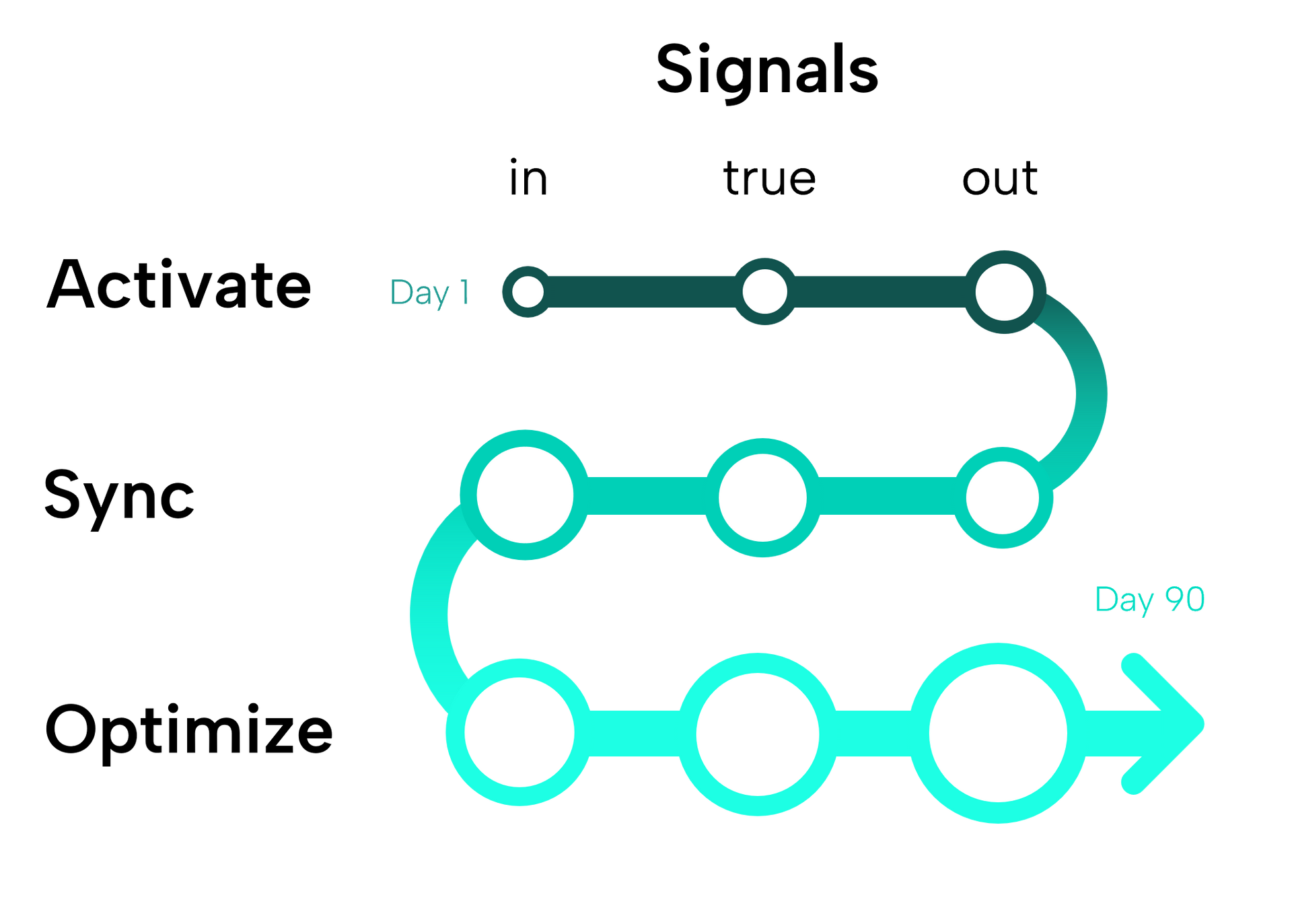
Your 90-day Program includes a
30‑min Starter Session Where Do we Begin?
The Technology
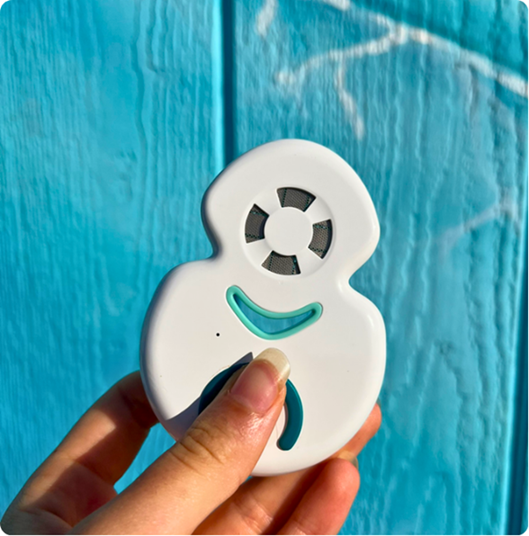
Our innovative 'egg' biosensor + adaptive app empowers you to optimize your capacity with data‑guided personalized breathwork sessions.
Consensus-Driven Science
Our approach leverages the consensus of independent studies, ensuring a higher level of reliability than proprietary in-house trials.
We specialize in the practical application of established clinical methods that have been verified across thousands of data points.
Resonant 0.1 Hz breathwork is backed by 1,000+ published studies, a depth of evidence, a clinical rigor no other method matches, from Box Breathing to Pranayama.
It shows the most robust and reliable Autonomic Nervous System effects.
Few representative studies below:
Functional Connectivity Within the Central Autonomic Network Increases During Resonance Paced Breathing at 0.1 Hz
Resonance paced breathing (0.1 Hz) increases functional connectivity in the brain's central autonomic network within minutes. The strongest immediate effects highlight its role in cognitive and emotional processing. (2026)
Beyond 0.1 Hz: Distinct affective and cardiac responses to slow and super-slow-paced breathing
When comparing the short-term effects from super-slow 0.05 Hz and 0.1 Hz resonance breathing, 0.1 Hz more effectively regulates mood and autonomic balance, suggesting each frequency engages different body–brain pathways. (2026)
Four weeks of slow-paced breathing: a longitudinal, randomized, placebo-controlled study of the autonomic nervous system
Four weeks of personalized, synchronized slow-paced breathing training enhances parasympathetic cardiac regulation with benefits becoming evident after sustained practice: strengthened autonomic flexibility and breathing awareness. (2025)
Light-guided resonant breathing enhances psychophysiological stress recovery in a simulated office environment
Just 5 minutes of light-guided 0.1 Hz resonance breathing immediately enhances parasympathetic recovery after physical and cognitive stress. It also reduces perceived strain, supporting its use for workplace stress recovery. (2025)
Heart Rate Variability Modulation Through Slow-Paced Breathing in Health Care Workers with Long COVID: A Case-Control Study
In people with Long COVID, 0.1 Hz slow-paced breathing immediately improved parasympathetic autonomic regulation. These effects occur acutely during practice; sustained long-term benefits require continued training. (2025)
Heart rate variability and slow-paced breathing:when coherence meets resonance
0.1 Hz resonance breathing synchronizes breathing, heart rate, and blood pressure, enhancing parasympathetic activity. These short-term physiological changes help explain its benefits for cardiovascular function, cognition, and stress regulation. (2022)
Effect of a Biofeedback Intervention on Heart Rate Variability in Individuals With Panic Disorder: A Randomized Controlled Trial
Four weeks of 0.1 Hz breathing improves autonomic regulation and reduces panic symptoms in people with panic disorder. This strengthens parasympathetic function, suggesting long-term therapeutic effect beyond the immediate breathing session. (2022)
The Science
Seesaw Health brings you the latest in breathwork-based modulation of the autonomic nervous system to boost your everyday capacity.
System-Wide Optimization
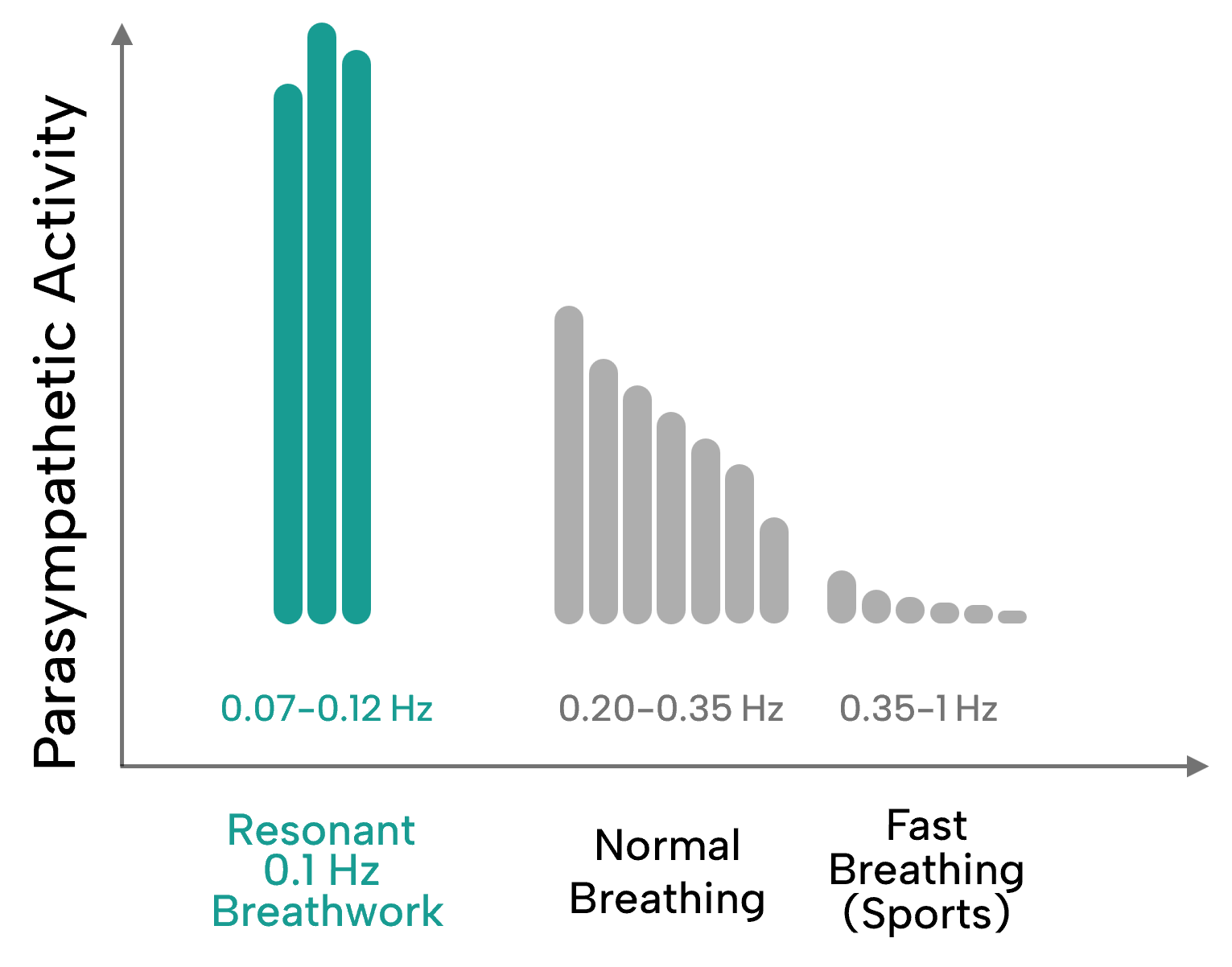
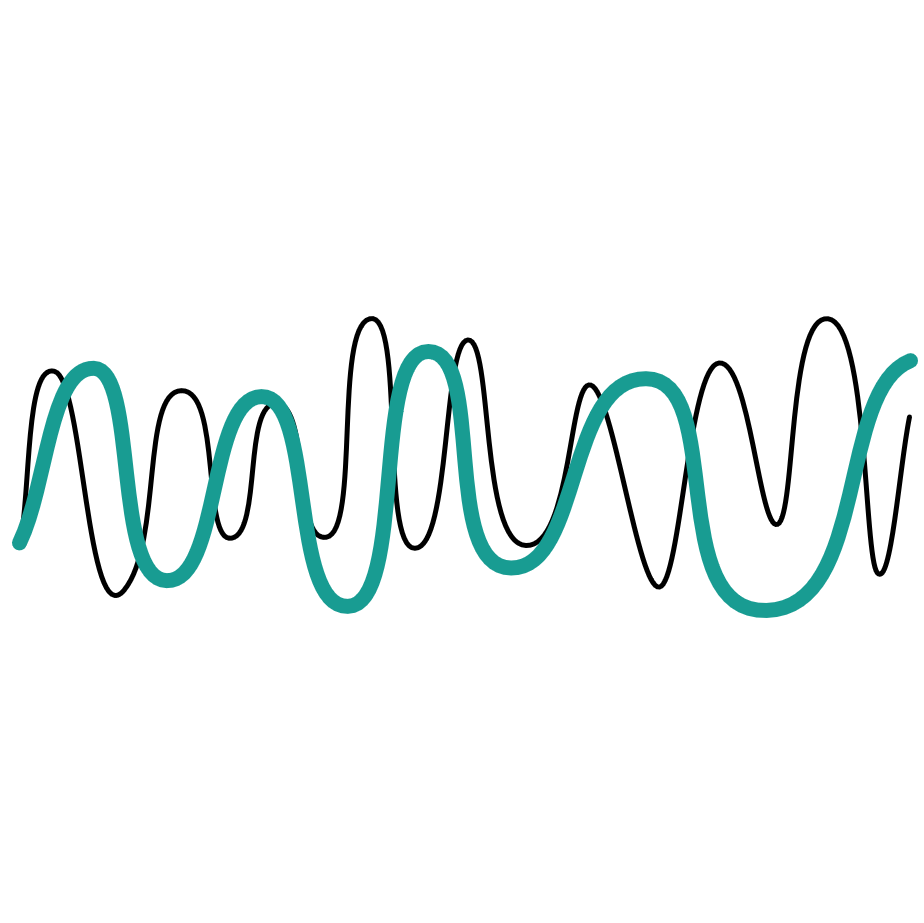
0.1 Hz resonant breathing synchronizes respiratory sinus arrhythmia (RSA) and the Baroreflex, strengthening your parasympathetic nervous system. Recent research has revealed that it also triggers specific brain wave activations that enhance cognitive resilience and neuro-cleansing.
When Everything Becomes a Stressor
Our biology was designed for acute stressors (the brief sprint from a predator) but we now live in a state of "chronic low-grade threat." Training your parasympathetic "brake" through resonant 0.1 Hz breathing is not just about relaxation: you cannot expect optimal capacity if you’ve lost the ability to shift into neutral.
FAQs
How should I breathe with the egg?
We recommend pursed-lip breathing.
allows a longer exhale channel by creating positive pressure in the airways, which helps keep them open longer, removes trapped air, and relieves shortness of breath.
This technique involves inhaling slowly through the nose and exhaling slowly through the mouth with puckered lips, making the exhalation last twice as long as the inhalation
Breathe in through your nose and breathe out slowly, yet firmly, through pursed lips – as if you're blowing out a candle.
What does the egg measure?
The egg biosensor measures your breathing frequency and rhythm - which our games guide you to slow down, and parasympathetic response and tone.
You'll find more information there.
Your breathing frequency is assessed through your respiratory rate (RR), expressed in Hertz - breathe in, breathe out, possibly hold and pauses.
Your breathing rhythm is your inhale-to-exhale ratio (I:E).
To evaluate your parasympathetic response, we leverage the power of heart rate variability (HRV).
HRV is more than just measurements like RMSSD or SDNN. Advanced analytical mathematical models capture irregularities, reveal adaptive responses, while machine learning models help refine predictive analysis.
To summarize, HRV is not just “how much it varies”—it’s the patterns of variation, revealing how the nervous system adapts under load.
By the way, most smartwatches, rings, and apps assume 'higher is better' for HRV: this is a misleading simplification of physiological dynamics.
This is why we emphasize accuracy by collecting high-resolution raw data and following a rigorous protocol where measurements are intentionally taken within a well-defined context – breath-controlled games.
In addition, how you interact with a game with the egg allows to evaluate your ability to concentrate on breathwork - cognitive load.
How do the games stimulate my parasympathetic response?
0.1 Hz breathing, i.e., 4-second inhalation (breathing in) and 6-second exhalation (breathing out) activates your PNS.
Neurophysiology explains how controlled breathing stimulates your PNS:
- Your heart rate naturally increases as you inhale and decreases as you exhale. This phenomenon is called respiratory sinus arrhythmia (RSA) and is a marker of parasympathetic tone
- Baroreceptors are specialized pressure-sensitive sensors located within the arteries that continuously monitor blood pressure levels. When blood pressure rises, these receptors transmit signals to the brain, prompting an increase in parasympathetic nervous system activity, which in turn slows the heart rate. This regulatory mechanism typically functions at a frequency of around 0.1 Hz
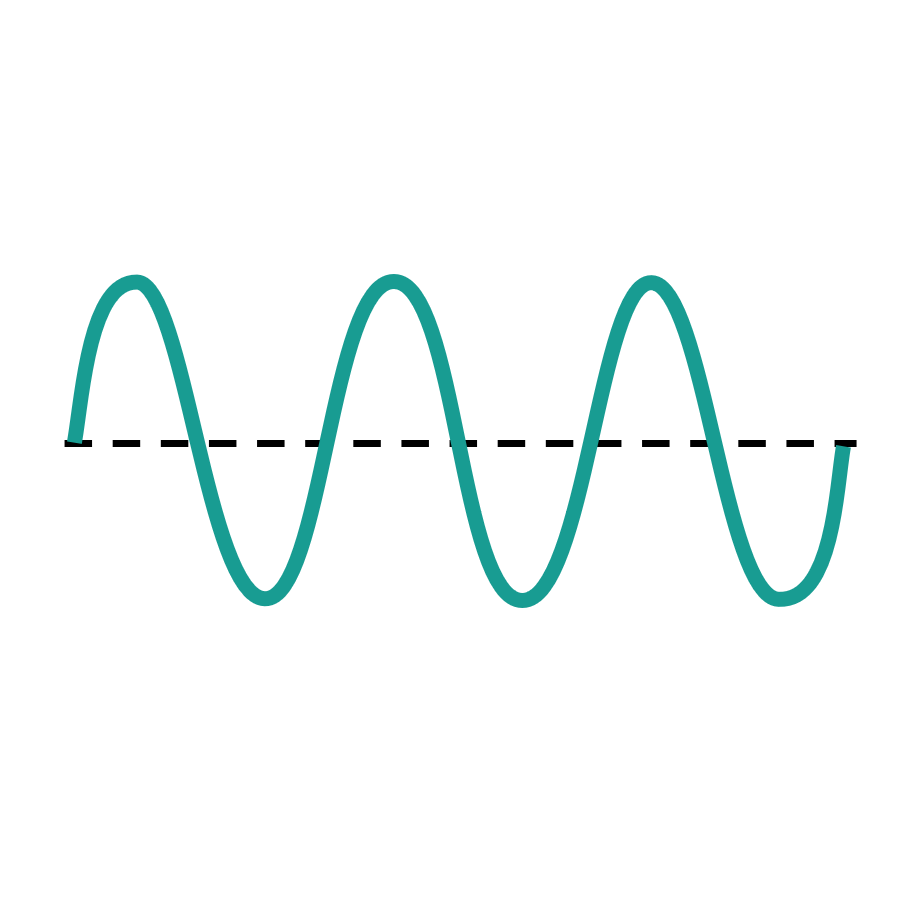
- During 0.1 Hz slow breathing, respiratory sinus arrhythmia and baroreflex-driven heart rate oscillations align in phase, producing a large, regular rhythm known as resonance or cardiac coherence. This synchronized pattern reflects maximal coupling between breathing, heart rate, and blood pressure regulation around the individual’s resonance frequency
- At approximately 0.1 Hz, phase‑locked coherence markedly increases HRV and augments baroreflex sensitivity, indicating stronger vagal modulation of cardiac rhythms. This amplified vagal influence engages the parasympathetic system and supports a calm, relaxed physiological state.
Essentially, you are hacking the brain-body connection to enhance PNS response and therefore further support your efforts to get and stay healthy.
How many games should I play per day?
For meaningful insights and extended effect, use the egg daily - keep your streak alive.
Can we tell you something?
When you're starting out with breathwork, the guidance is often broad: “Aim for 5-10 minutes a day, 5 days a week.”
It’s a helpful baseline, but it’s also a blanket recommendation that doesn’t account for your unique physiology, goals, or progress.
But the moment you introduce physiological measurement, your practice transforms. You’re no longer just clocking hours; you’re tuning your effort to match your intention.
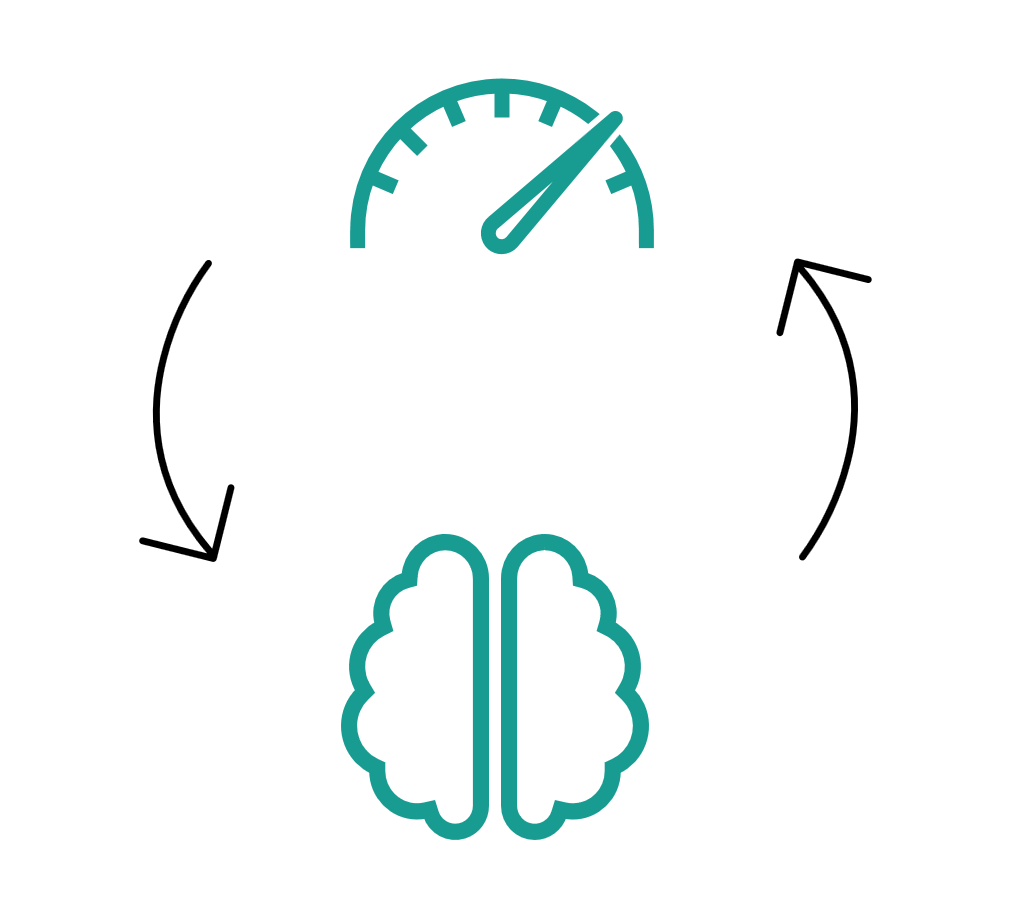
Measurement turns breathwork from a routine into a feedback loop. And with data in hand, you begin to adjust. It’s the difference between guessing and knowing. Between hoping and evolving. Because what you can measure, you can manage. And what you manage, you can master.
How is the app personalized to me?
Repeated measurements of your own digital biomarkers (breathing, parasympathetic) allows to continuously analyze how these markers change aover time, providing a highly dynamic understanding of your ever-changing parasympathetic response and adaptability, compared to single-time point or randomized measurements.
